When "Fine" Marriages Keep You Awake at Night
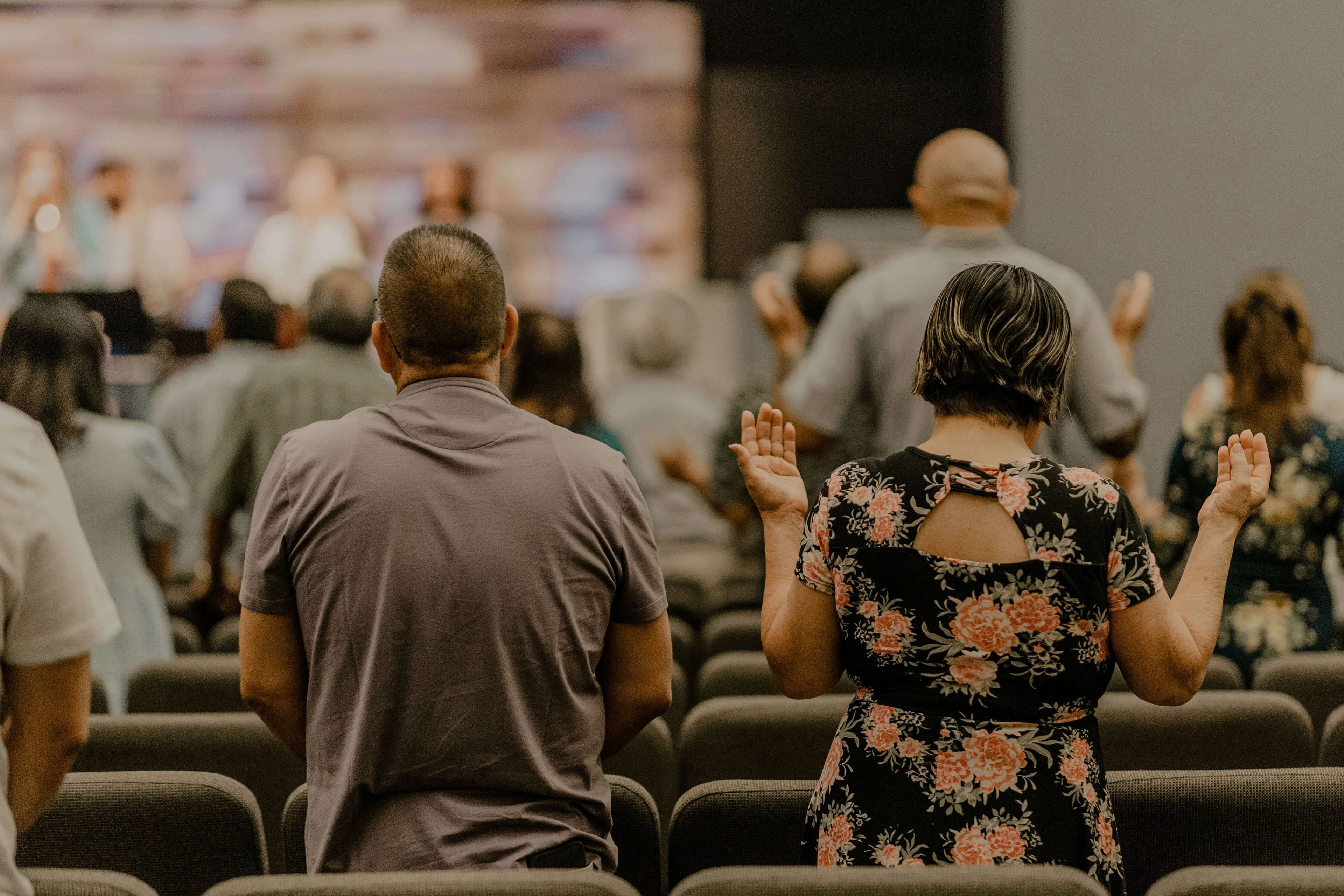
You hear it all the time after service: "We're fine!" They smile, shake your hand, maybe even crack a joke. On Sunday, they serve, they sing, they hold hands during prayer. On paper, they look solid. But in your gut, something feels off, and you are not sure what to do with that feeling.
You know the quiet version of their week. Long days, busy kids, a slew of events, then two people sitting on opposite ends of the couch at night, scrolling in silence. No yelling, no slammed doors, just distance. You worry that things are building under the surface, but you are already stretched thin. You want to care for their marriage without turning your whole job into back-to-back crisis counseling. So you don't even ask.
Under that tension, it can feel like you have to choose: preach the gospel, protect your own family time, or jump into every marriage that might be in trouble. The good news is you do not have to choose. There are ways to care well for all those "fine" marriages in your church without burning out or guessing in the dark.
Why "Fine" Is Not a Healthy Marriage Diagnosis
When a couple says, "We're fine," it can cover a lot of quiet pain. Often "fine" really means:
- We are tired and just getting through the week
- We do not fight, but we also do not really connect
- We avoid hard talks because they never seem to go well
- We stopped hoping it could be better, so this feels "normal" now
That kind of "fine" does not usually explode overnight. It drifts. Two people move from being a team to being roommates who share a house, kids, a budget, and a calendar, but not much of their hearts. Resentment grows in the background. Secret habits can slip in. Sometimes the first time anyone knows something is wrong is when a couple drops a bomb in your office and says, "We have not been okay for a long time."
One reason this sneaks up on pastors is simple: you mostly see couples in crisis. You see the ones who ask for help, not the ones who are quietly drifting. That can create a false sense of security. Couples who serve somewhere in the ministry, who never make a scene, can look healthy because they stay busy and stay polite.
Think about common patterns you see:
- The couple who leads others but rarely looks each other in the eye
- Parents who only talk about schedules, grades, or money, never their hearts
- Couples who are always "on" for church but look drained any other time
As seasons change, this gets even more real, especially after back-to-school time; physical and emotional exhaustion hits hard. Stress goes up, patience goes down, and many marriages quietly crash into survival mode. When you ask how they are doing, they are still likely to say, "We're fine."
The Three Assumptions That Keep Pastors Stuck
There are a few common beliefs that make it even harder to care for "fine" marriages. They sound wise, but they often keep couples from getting real help.
Assumption 1: "If they needed help, they would ask."
Many couples do not. They worry about:
- Looking weak or unspiritual
- Adding to your already heavy load
- Thinking, "Others have it worse; we should not complain."
So they stay quiet and keep serving, even when they feel alone in their own home.
Assumption 2: "Teaching on marriage from the pulpit is enough."
Good preaching matters. It gives vision and truth. But most couples need more than that. Sermons rarely give space to:
- Practice how to listen without getting defensive
- Talk through conflict in real time
- Confess selfishness to each other with support and structure
They hear the message but do not always know how to live it out when emotions are high, they are carting kids around, and dishes are piled in the sink.
Assumption 3: "We do not have capacity for more marriage ministry."
When you hear "church resources for marriages," it might sound like: more counseling, more meetings, more late-night texting with spouses in crisis. No wonder your stomach tightens. But not every tool for couples has to land squarely on your shoulders.
These assumptions are understandable, especially when your plate is already full. But they also keep those "fine" marriages stuck where they are. The good news is there are ways to support couples that work with your energy and schedule, not against it.
What Healthy Looks Like Beyond the Sunday Smile
So if "fine" is not the goal, what does a healthy, Christ-centered marriage really look like? It is not flawless. It is not drama-free. Healthy does not mean they never argue or never struggle. A healthy marriage looks more like two imperfect people who are honest, humble, and willing to grow as a team.
Signs of a healthy marriage often include:
- They can apologize without blaming each other
- They can talk about hard topics without shutting down or blowing up
- They invite Jesus into their conflict instead of using the Bible as a weapon
- They ask, "What is my part in this?" instead of, "How do I win?"
"Fine" usually just wants to keep the peace at any cost. As long as there is no big fight, no one rocks the boat. But healthy love does something different. It faces truth with grace. It says, "We are not okay right now, but we are on the same side, and we want to grow."
This is where good church resources for marriages matter. When couples are given solid tools and guided conversations, they move from avoiding issues to facing them together with Jesus in the middle. Your role as pastor is not to fix every marriage. Your role can be to create a culture where asking for help is normal, where growth is expected, and where couples know there are paths to walk that do not depend only on your schedule.
How Marriage Workshops Help Without Burning You Out
One of the most helpful tools many churches use is a focused marriage workshop. A workshop creates time and space for couples to slow down and actually work on their relationship with structure and support. They are not just listening to another talk; they are:
- Practicing real conversations with each other
- Learning how to handle conflict as a team
- Naming places of selfishness or hurt in safe, guided ways
- Inviting God to move in specific, practical areas of their marriage
For pastors, the right kind of workshop does not pile more on your back. Instead, it brings in a partner who carries the content, the flow, and the tools. You get to be the shepherd, not the event planner, counselor, and crisis manager all in one.
This is especially helpful as fall schedules ramp up. Sports, homework, ministry programs, and community events all crowd the calendar. A well-timed workshop can act like a reset button for couples before that stress cracks what already feels thin. It is one of the most practical church resources for marriages because it gives them tools to keep growing long after the workshop ends.
That is the heart behind Developing Great Relationships. We come alongside churches to host live, Christ-centered marriage workshops that confront selfishness, build teamwork, and help stuck marriages get unstuck, all without adding more work to your plate. We carry the structure so you can stay focused on what you do best, shepherding your people and caring for your own family.
A Simple Next Step to Care for "Fine" Marriages Well
Your heart for your people is clear. You want their marriages to be more than polite, more than "fine." You want them to be places of grace, honesty, and real partnership. You do not have to sacrifice your preaching, your leadership, or your family time to support that kind of growth in your church.
When a church makes space for honest work on marriage, "We are fine" slowly turns into "We are growing." Couples begin to see that it is normal to ask for help, normal to learn new skills, and normal to let God change old patterns. Marriage workshops can be a key part of that picture, not just as a last step when everything is falling apart, but as a regular, hopeful resource for couples at every stage.
If you are ready to explore marriage workshops that support you as a pastor and take effort off your plate, the next step is simple. Start by looking for workshops that bring clear, Christ-centered content, practical tools, and a team that handles the structure, so you do not have to.
Then, when you are ready to hear how Developing Great Relationships can come alongside your church with that kind of marriage workshop support, click "Get more information" to hear more from DGR.
Strengthen Marriages In Your Church Community Today
If you are ready to give couples in your congregation practical tools and real hope, explore our biblically grounded Church resources for marriages. At Developing Great Relationships, we help churches create safe, impactful environments where couples can grow, heal, and reconnect. Reach out so we can talk through your church's specific needs and design a plan that serves your people well, or contact us to schedule a conversation. Together, we can equip the couples you serve to build stronger, Christ-centered marriages.