When Small-Group Tension Starts Quietly Boiling Over
You can feel it before anyone says a word.
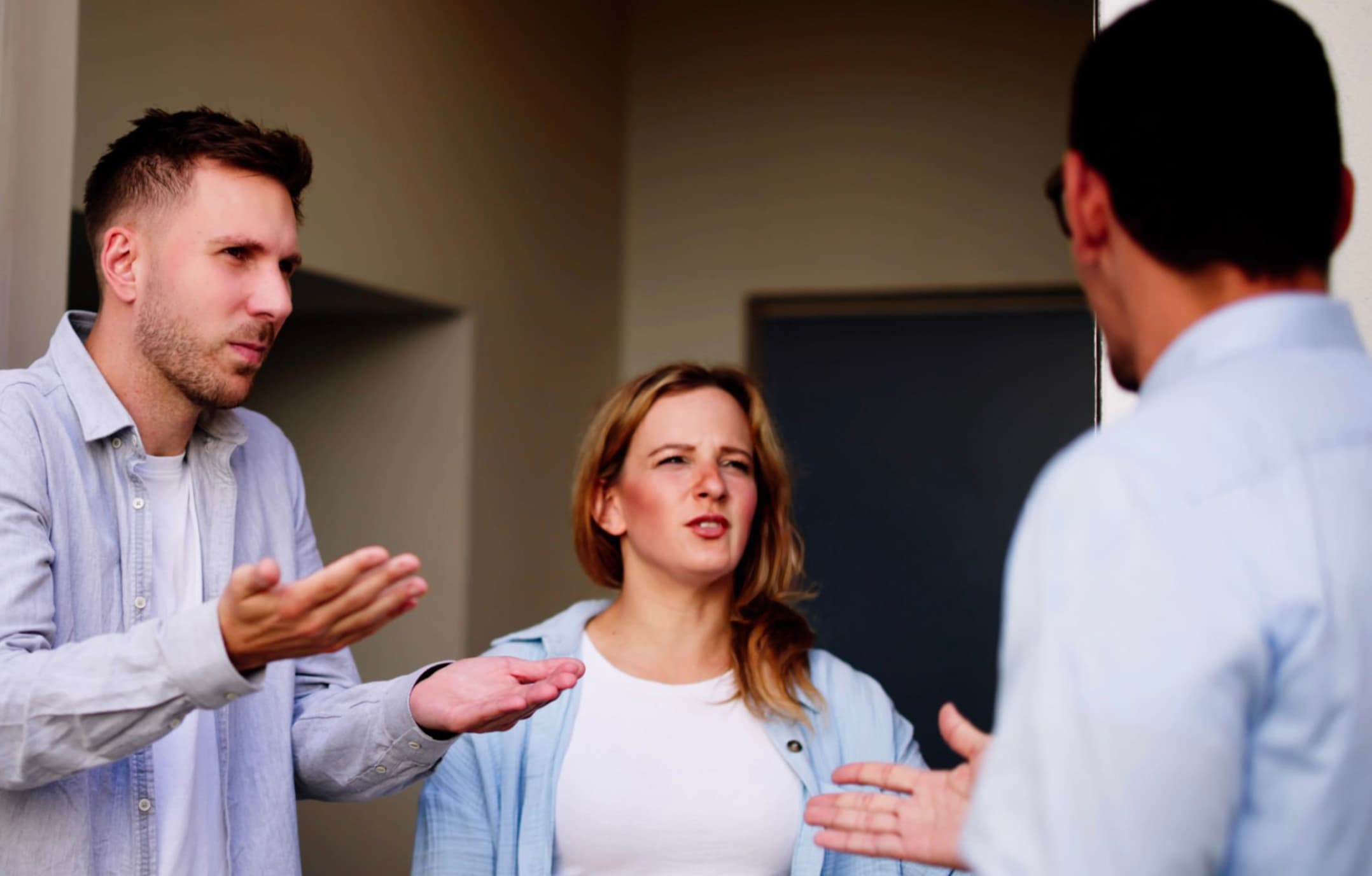
Smiles look fine on Sunday morning, but you sense something is off in small groups, on the worship team, or in elder meetings. People are polite, but the room feels tight. A joke lands a little sharp. Prayer requests hint at deeper pain.
You may see things like:
- Couples serving together who barely talk in the hallway
- Passive-aggressive comments in small groups
- A volunteer suddenly "needing a break" without saying why
You end up carrying the emotional load of all this. You are trying to guard unity, calm conflict, support couples, plan summer events, run VBS, prep student trips, and still have something left for your own family. It is a lot.
Even healthy churches feel the impact when marriages are hurting, especially as schedules speed up in the summer. When home feels shaky, church life often gets edgy too. A Christ-centered marriage workshop for churches can quietly lower that emotional temperature before unspoken strain turns into a visible leadership blowup.
Good Fences, Better Marriages
Robert Frost once wrote, "Good fences make good neighbors." I've found that to be true not just in backyards, but in the boardroom. Throughout my years serving on various boards, I've noticed that the healthiest teams are those with clearly defined roles and responsibilities.
When everyone knows exactly what their job is—and what it isn't—unity grows. We stop stepping on toes and start valuing the specific gifts our colleagues bring to the table. In moments of tension, these boundaries keep us focused on solving the problem instead of doubting each other's motives.
Doesn't this sound like the perfect blueprint for a healthy marriage? By teaching biblical roles and responsibilities to your entire congregation, you provide the clarity couples need to thrive. When the "fences" are clear, unity can finally prevail.
How Quiet Marital Struggles Turn Into Loud Church Conflict
What happens at home rarely stays at home. When a spouse feels hurt, unheard, or alone, that pain often walks right into a small group, a rehearsal, or a planning meeting. It just wears a different outfit.
Here Are Some Patterns Many Churches See:
- A small-group-leading couple starts snapping at each other, and the group takes sides
- A key leader's spouse is hurting, and soon both step away from serving
- A debate about curriculum or service times is fueled by deeper anger that started in the kitchen, not the classroom
On the surface, this looks like a personality conflict or a clash over "how ministry should be done." So churches treat it as that. New roles are assigned, people get moved to other teams, or the topic is dropped. But if the real problem is unresolved hurt inside a marriage, the same pattern shows up again in a different room.
The cost is real:
- Burnt-out pastors carrying hidden stories
- Awkward small groups where people stop sharing honestly
- Leaders slipping away instead of dealing with the heart issues
Often, what churches need is not one more conflict-training course, but a focused, grace-filled way to care for marriages without putting another heavy program on staff shoulders.
Why a Christ-Centered Marriage Workshop Changes Group Dynamics
A marriage workshop for churches is different from general marriage content. It is not just tips and tricks or "date night ideas." It is grounded in the gospel, where repentance, grace, and teamwork are front and center. Couples are invited to see their own hearts, not just blame each other.
A helpful workshop changes the tone because:
- Couples are not singled out as "in trouble." They come as learners together.
- The room is full of other couples, so no one feels like the only one struggling.
- The focus is on hope in Jesus, not on keeping up an image.
Key Outcomes That Protect Unity:
- Selfishness is gently confronted in a Jesus-centered way, so people own their part instead of blaming spouses, pastors, or "the system."
- Simple, clear communication tools help couples speak more kindly, which often spills into how they talk in small groups and meetings.
- Couples get language to talk about hurt early, before it erupts in public settings.
For pastors, this can feel like a deep breath. The workshop carries much of the heavy emotional work that often falls only on you. Instead of feeling like you must personally rescue every struggling couple, you can point them to shared teaching, shared tools, and shared hope.
As marriages grow healthier, group life changes. There is less talking about people instead of to them, less eye-rolling across the room, and more safety when hard things come up. People start bringing their real selves, not just their "church selves." Over time, that builds deeper unity.
A Unity-Focused Follow-Up Plan Your Leaders Will Actually Use
A powerful workshop is great, but without a simple follow-up plan, couples can slide back into old habits by the end of the summer. The key is a light, realistic rhythm that fits the natural flow of church life, not a whole new program.
Here Is One Pattern We Often Suggest:
- At 30 days: a short check-in gathering or online call where couples share one small win and one small challenge since the workshop.
- At 60 days: small groups or teams add one or two "marriage touchpoint" questions to their normal meetings, like, "How can we pray for your home life this week?"
- At 90 days: elders or key leaders meet to debrief what they are noticing in groups and teams.
The goal is unity, not perfection. That means:
- Encouraging spouses to listen before responding.
- Inviting group leaders to model confession and forgiveness in everyday frustrations.
- Helping staff and elders treat marriage and home life as part of everyday spiritual growth, not only something you address in a crisis.
A well-designed marriage workshop for churches should come with ready-to-use follow-up tools, questions, and ideas so leaders are not starting from a blank page. That way, your team can keep the momentum going with very little extra planning. And nobody has to invent a new binder full of worksheets.
Protecting Leaders From Burnout and Blowups
Leaders carry stories they cannot share. Tension between staff. Elders who are worn thin. Volunteers on edge. Marriages that feel like they are one hard week away from quitting. When leaders' own homes are under strain, everything else feels heavier.
Healthy workshops help take pressure off by:
- Giving leaders' marriages space to regroup and reconnect.
- Helping staff and elders learn to handle differences with more kindness after they practice that same grace at home.
- Normalizing growth and struggle for everyone, so leaders do not feel like they must pretend to be perfect.
This lowers the risk of public blowups:
- Less bottled-up frustration at home that spills into meetings.
- Fewer "out of nowhere" resignations that were actually building for a long time.
- More courage to ask for help early, before things explode.
For churches in busy regions, where campus events and community life never really slow down, it matters that a workshop is designed to serve the church, not drain it. Clear schedules, simple logistics, and a partner who understands how church calendars work all help your team stay steady.
Summer Is Strategic and Why Now Matters
Summer can look slower on paper, but the reality is, life is full. Families travel. Kids are home. Students head to camps. Small groups take breaks or change rhythms. Those shifting routines around home, heat, and longer days can add strain to already stressed marriages.
That is why a summer or early fall marriage workshop for churches can be so wise:
- Couples often have a bit more flexibility to attend.
- Groups and teams are resetting for the next season of ministry.
- Leaders can address quiet tension before everything ramps up again.
You can also weave a workshop into the natural life of your church:
- Pair it with a short teaching series on unity or relationships.
- Use it as a launchpad for new small groups or mentoring pairs.
- Invite couples from your wider community as a low-pressure bridge into church life.
The goal is not one big moment that fixes everything. It is a turning point that helps your church move toward long-term unity, calmer group life, and marriages that feel less alone in the struggle.
At Developing Great Relationships, we care deeply about helping churches experience that kind of shift. Christ-centered marriage workshops can take marriage pressure off your plate instead of piling more on it, while protecting the unity and leaders you work so hard to serve.
If you are ready to explore marriage workshops, start by considering what would serve your couples best in this next season. Then, when you are ready to talk details, use the "Get more information" button at the top right of the website to hear more from DGR and see how a workshop could fit the unique rhythm of your church.
Strengthen Marriages In Your Church Community Today
If you are ready to invest in healthier, Christ-centered relationships, our marriage workshop for churches is designed to support your congregation with practical tools and biblical insight. At Developing Great Relationships, we partner with church leaders to create an engaging experience that fits your unique ministry context. Reach out to explore dates, formats, and how we can best serve your couples, or contact us with any questions.